

What New Brunswick Can Learn from Europe’s Energy Moment
What a view from the Port of Antwerp reveals about urgency, pragmatism, and the opportunity across the Atlantic

Stay in the Know.
If this column piqued your interest, please share it. Every share helps spread knowledge about the ins and outs of local affairs and keeps independent reporting strong on Canada’s East Coast.
Michelle Robichaud is the president of the Atlantica Centre for Energy.
Europe’s most diverse industrial port is lined with wind turbines towering over automated cranes alongside transmission lines and power generation facilities. This is what an economy deeply reliant on energy looks like.
The Belgian economy needs all the clean energy it can get, and the Port of Antwerp-Bruges left no wasted space in sight of the country’s economic goals.
I was invited to participate in the New Brunswick trade mission to provide an energy perspective on the discussion and to bring home insights from those discussions. Energy was one of the first topics raised in nearly every conversation. I anticipated discussions about shipping, logistics, or container efficiency, seeing that the mission was focused on ports. Instead, European partners immediately focused on how to secure reliable energy supplies for the next several decades and how reliable jurisdictions, like Canada, can help.
There was urgency in the discussions to create partnerships, especially around energy. Europe is not talking about energy transition as a distant aspiration. It is happening now. Their industrial growth and their economy depend on it.
Energy strategy is industrial strategy
One comment during a roundtable discussion captured the tone perfectly: energy policy is industrial policy. In my role at the Atlantica Centre for Energy, I see firsthand the impact of decisions on how energy is produced, transported and used shape which industries grow, where investment flows, and how economies compete globally.
European partners were clear that decarbonization is underway across sectors, but this transition is also being driven by energy security and affordability concerns. The geopolitical landscape, including the war in Ukraine and, more recently, U.S. tariffs, has made reliance on traditional suppliers far less certain. That reality is accelerating innovation, from hydrogen infrastructure to electrified port equipment, and forcing long-term planning.
Governments and companies investing in energy infrastructure that has a lifespan of 20 to 100 years are making decisions now that will shape their economies for generations.
Perhaps the most striking takeaway was the level of pragmatism. Energy plans were rooted in physics and economics, with very little aspirational rhetoric. European partners have strong climate goals and care deeply about the environment, but also spoke about the role natural gas plays and will continue to play in maintaining reliability while new technologies scale over a minimum 20-year horizon. And yes, hydrogen is still being considered as part of the energy future through practical pilot projects such as ammonia cracking technologies and infrastructure development. There were no theoretical discussions.
Ports are becoming energy hubs
The Port of Antwerp-Bruges demonstrates how integrated modern ports have become. Beyond shipping containers, the Port is a major petrochemical cluster with energy infrastructure such as pipelines, refineries and power plants, including a nuclear generation facility sitting in the middle of it all.
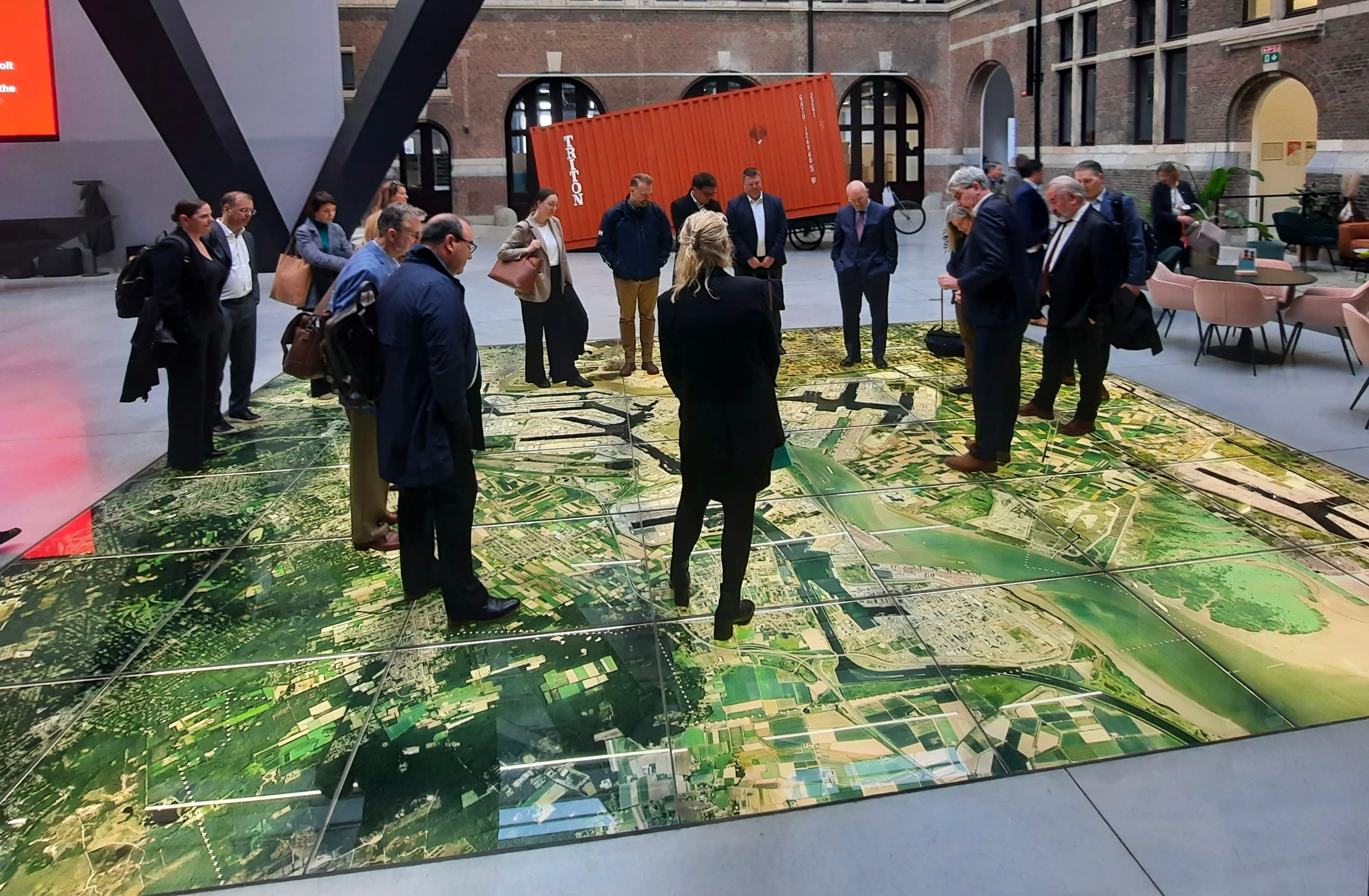
The trade mission started with a bird’s-eye view of the port standing on a giant map. The Chair of the Board walked us through the port’s past and future plans for growth. How they’ve moved from coal to natural gas and renewables, how CO2 from industrial facilities is captured, stored or used at industrial facilities, but also how growth is limited by access to energy.
I heard in several conversations how ports are evolving into hubs that connect logistics, energy systems and industrial activity. The concept of “green corridor” trade routes designed to reduce emissions is gaining traction, but success will depend on practical infrastructure decisions on both sides of the Atlantic, as well as commercial viability.
Atlantic Canada’s opportunity
Atlantic Canada is only beginning to articulate the role it can play in the global energy sector, including helping to decarbonize markets. The fundamentals are strong. We have deep-water ports, proximity to Europe, natural resources, and strong trade relationships.
European partners are actively seeking stable, democratic allies who can help supply the energy and materials needed to sustain industrial growth. Canada, and Atlantic Canada in particular, is well-positioned.
The importance of relationships
One of the most encouraging aspects of the mission was the strength of the relationships already in place. Memorandums of Understanding, company links across the Atlantic and existing trade routes between the Port of Saint John and the Port of Belledune with European partners provides a strong foundation for deeper collaboration.
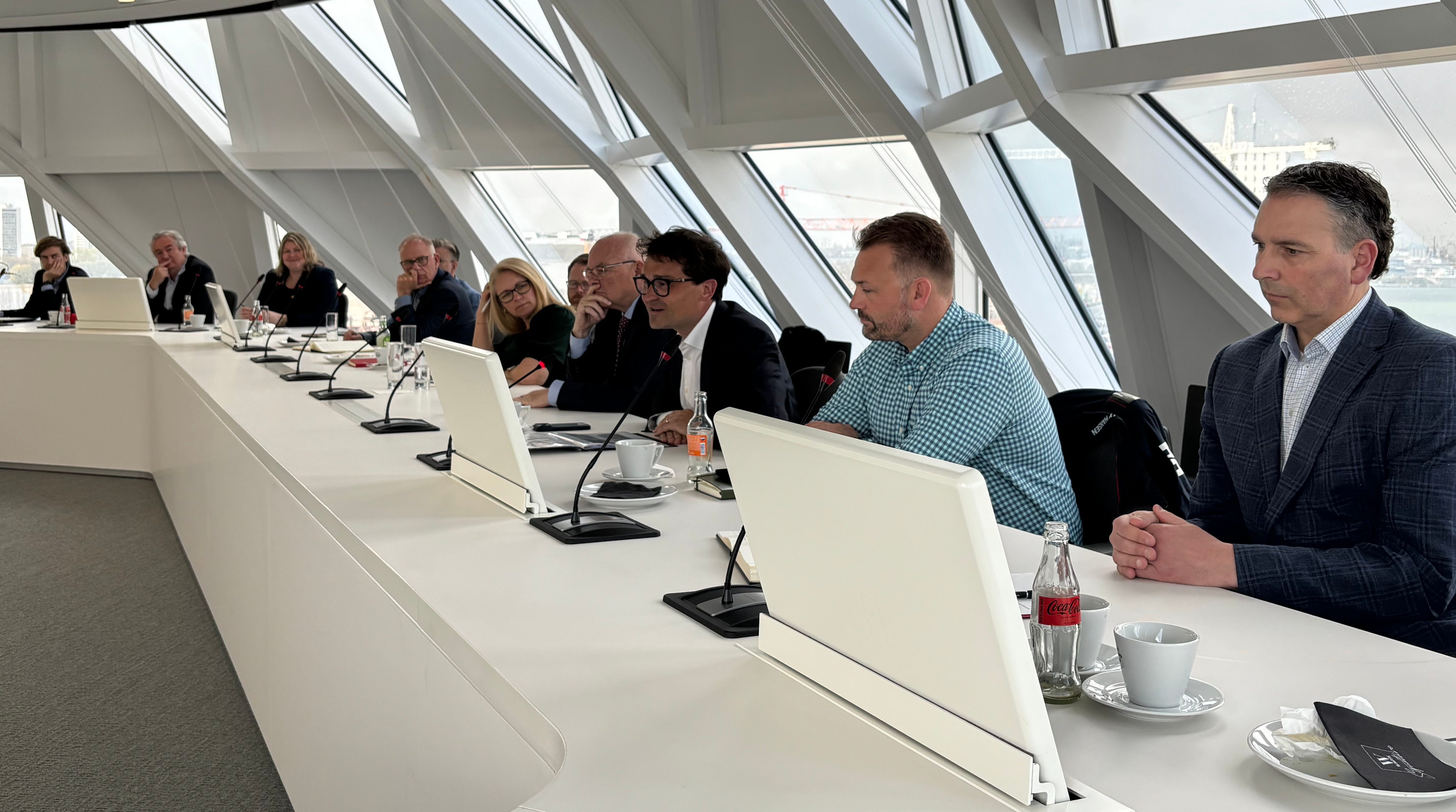
A roundtable in Brussels brought together approximately 25 companies focused on how New Brunswick and Europe can work together across energy, innovation and supply chains. The shared values at the table were evident, as was the willingness to collaborate on long-term solutions.
Premier Susan Holt represented New Brunswick exceptionally well throughout the mission. Her business background was evident in discussions with industry leaders and diplomats alike, and her ability to engage in French strengthened connections later in Paris.
A moment that calls for clarity
The European delegates were clear in their mission: they are planning decades ahead, investing in infrastructure, and aligning policy with long-term economic goals.
Atlantic Canada can learn from this approach.
Our success will depend on articulating a strong vision for how our energy assets, ports and industrial capabilities fit into global supply chains.
There is no single solution to the challenges facing global energy systems. Every country is navigating similar questions around affordability, reliability, emissions reduction and economic competitiveness, but on different timelines and with regional differences.
We are fortunate that Atlantic Canada is not facing the same immediate energy pressures as Europe. We still have room to grow our energy sector through renewables, natural gas and even hydro facilities. But that advantage can also lead to complacency.
The opportunity is significant. So is the urgency.
Energy strategy is no longer a niche policy discussion. It is central to economic growth, trade relationships and long-term prosperity. We need the public, business community and government to get on the same page.
The path forward for Atlantic Canada is not about choosing a single energy solution. It is about making deliberate choices, grounded in our strengths, and committing to them over the long term. Positioning policy with infrastructure needs and investment opportunities. It also means working collaboratively with neighbouring jurisdictions and the federal government to align on a future strategy that ensures long-term certainty for those investments.
We should not just be planning to meet our own energy demands. We can and should aspire to play a critical role in the global energy system. The question is: Are we ready to step up to the challenge?
Support Local Storytelling & Reporting
Want more analysis like this? Becoming a paying supporter of Side Walks and follow our continuing coverage of the issues shaping Atlantic Canada’s future.
Stroll Over to Side Walks For More Stories


 | A guest post by
|
Great to see that the province and the region are finally understanding how we can respond to the urgency of others. Our ports will be defining factors in our economic future, as will our ability to leverage our resource endowments to meet the needs/urgencies of our allies. They are inextricably linked, and once we realize that, our economic future will be secured. For example, biomass to electricity at the port of Belledune will make way for green hydrogen production for export or FDI industrial investment. Leveraging waste heat from Point Lepreau for controlled environmental agriculture to increase our own food security, as well as that of the Eastern seaboard. Geothermal from decommissioned potash mines and biogas from leveraged agricultural waste streams to support industry and potential agriculture efforts are also opportunities that have already been studied and validated in the region - they were simply waiting for government leadership to play its role in establishing policy and programming to support them.